The plan at a glance
This itinerary assumes your flights fall outside the four touring days. If they do not, remove an activity rather than treating airport travel as spare time. The individual tours and the four-day package shown above are alternative ways to arrange the trip, not products you should book together.
| Day |
Morning |
Afternoon |
Evening |
| 1 |
Settle in, tickets and water |
Moon Valley |
Dinner in the centre |
| 2 |
Rest or a short town walk |
Cejar, Baltinache or a free afternoon |
Stargazing if the times fit |
| 3 |
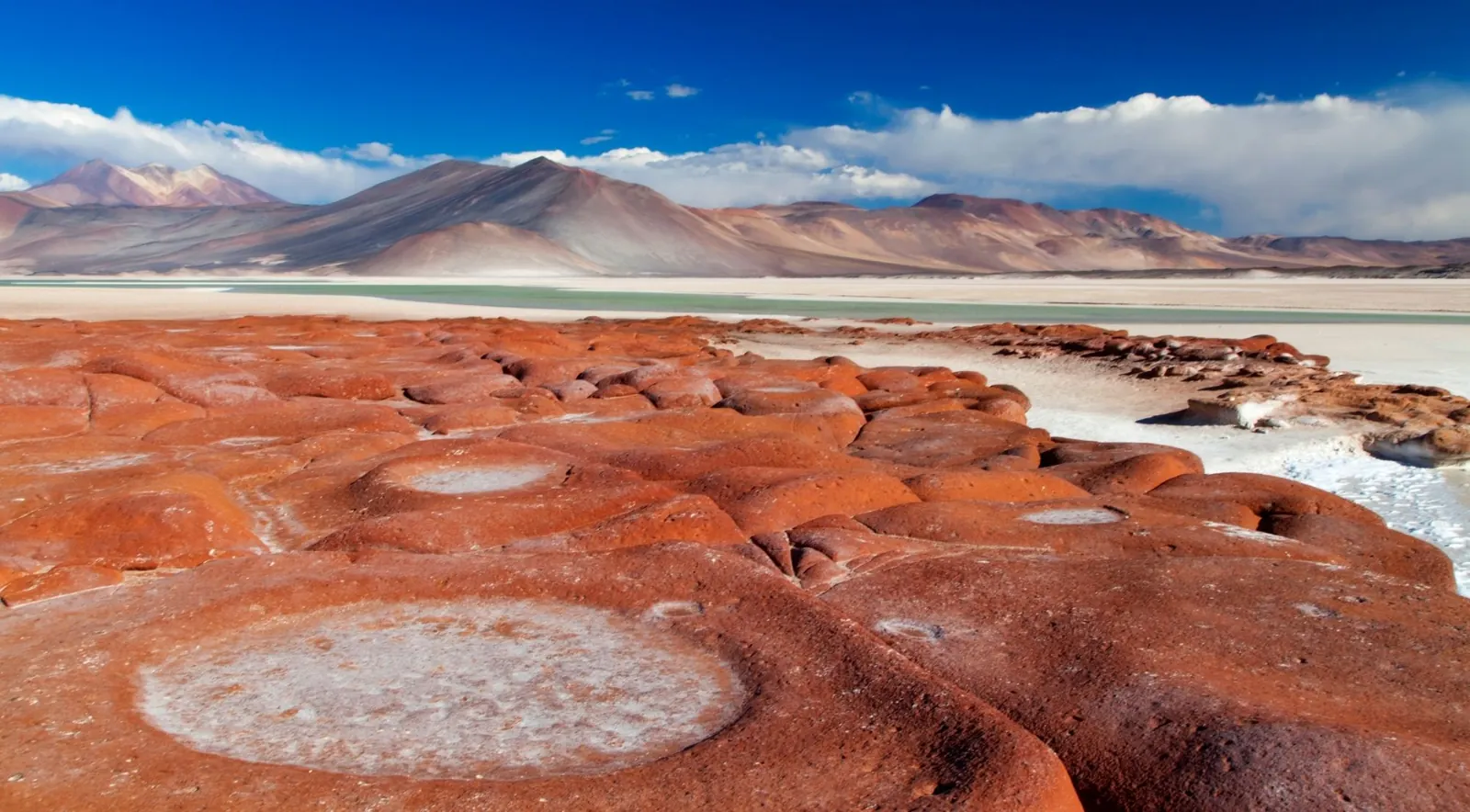
Piedras Rojas and lagoons |
Continue the full-day circuit |
Early dinner and sleep |
| 4 |
El Tatio if suitable |
Rest, pack and confirm transfer |
Quiet final evening |
Days 1 and 2: lower desert first
Make Moon Valley the first major excursion; if you have not booked a bed yet, the where-to-stay guide compares the central streets with the quieter ayllus. Its four-hour format leaves the morning free to recover from the journey and sort out the practicalities that tight itineraries squeeze out. Choose either agency departure with entry extra, or the more inclusive ticket-and-pickup option.
On day two, decide whether you want Cejar, Baltinache or a free afternoon. Baltinache currently offers sightseeing while floating is suspended. If warm-water soaking is your priority, investigate Puritama instead, confirming ticket and transfer times; do not assume every shorter outing has the same altitude or access conditions.
Fit stargazing around a real dinner break. If a lagoon tour returns too late, drop that afternoon activity or move astronomy to day one. The extra day gives you more choices, not an obligation to fill every hour.
Other experiences you might enjoy
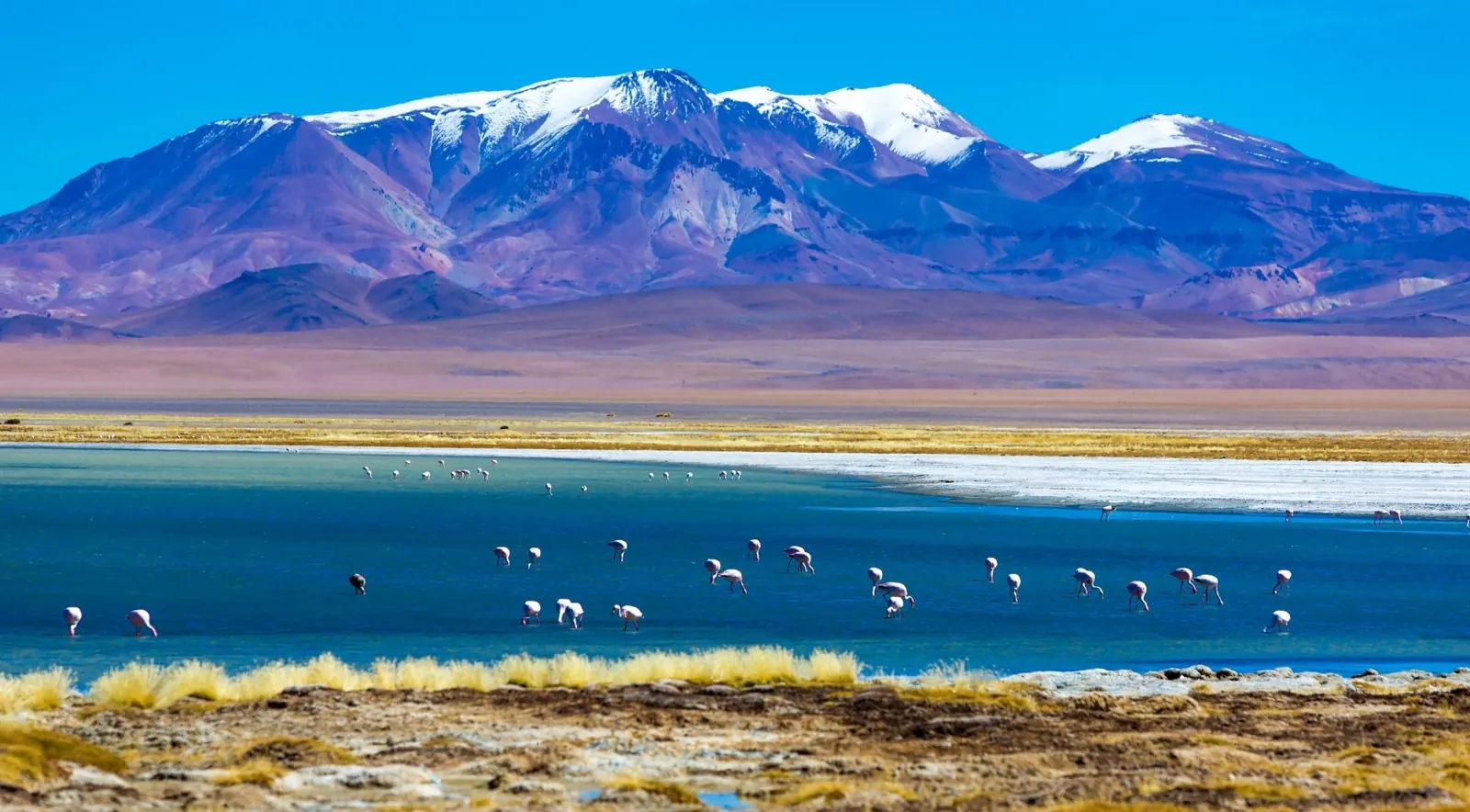
Four days leave room for one more outing: Rainbow Valley, the Puritama hot springs after El Tatio, or the flamingos of Laguna Chaxa.
Day 3: Piedras Rojas and the highland lagoons
Keep the full day for the Piedras Rojas circuit. Pack layers for the highland stops and sun protection for the later return. The Ruta Chile option lists breakfast and lunch; both featured single-day routes exclude reserve admission.
Eat dinner centrally after returning and prepare for the next morning before bed. Do not add a late night-sky session here if you are taking El Tatio the following morning. If the full-day outing leaves you feeling unwell, reassess the next ascent instead of following the table automatically.
Day 4: El Tatio, then stop scheduling
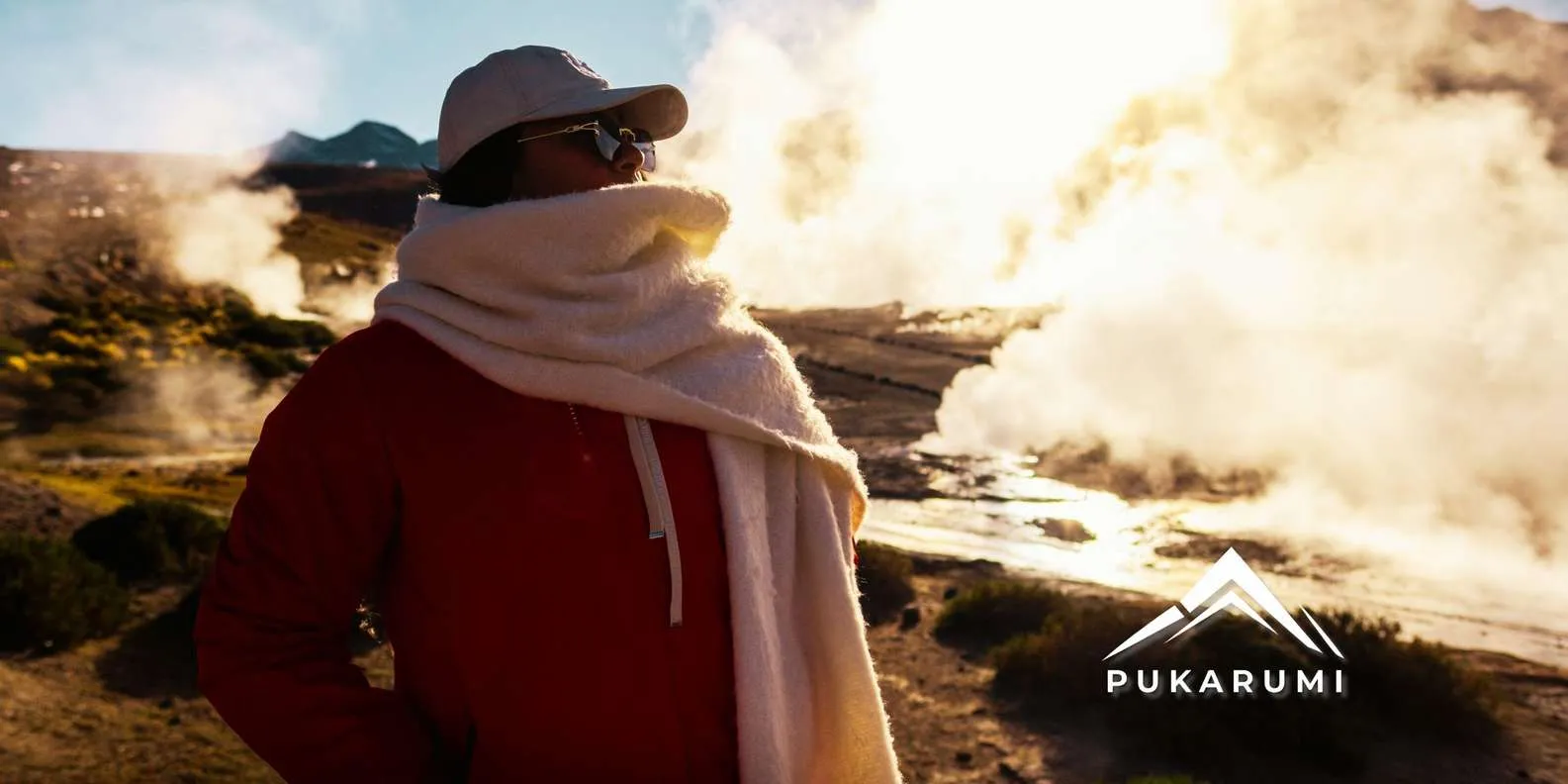
El Tatio requires the earliest start and goes above 4,300 metres. Confirm your pickup address, entry payment and eligibility before the night preceding it. The current featured listing has specific age and health restrictions.
After returning, plan lunch and rest. A spare afternoon is useful for packing, a missed lower-desert activity if conditions allow, or simply enjoying the town. Avoid relying on a fixed return minute for a same-day flight; arrange your airport transfer with the provider and airline timing in mind.
The hour-by-hour version
Best for: most first-time visitors who want every main tour. Highest point: about 4,300 m, reached only on day four after three days of gradual climbing. This fuller version adds Rainbow Valley on day two and Puritama on day four.
Day 1: arrive and Valle de la Luna (about 2,500 m)
Day 2: Rainbow Valley, Laguna Cejar and stargazing (up to about 3,500 m)
Day 3: Piedras Rojas and the highland lagoons (about 4,200 m)
- About 06:30–07:00: pickup for the Piedras Rojas and Altiplanic Lagoons full day (from about US$86, 4.7/5 from 834 reviews), with a breakfast stop on the way.
- Laguna Chaxa (flamingos, about 2,300 m), Socaire village, the Miscanti and Miñiques lagoons (about 4,100–4,200 m), then Piedras Rojas and the Salar de Talar.
- About 17:00–18:00: back in town. A light dinner, and bed by 21:30.
Day 4: El Tatio and Puritama (about 4,300 m)
Day 5: departure, or the start of the Uyuni crossing early in the morning.
Why this order works: each day goes a little higher, the two hardest wake-ups do not follow late nights, and El Tatio comes when you are best adapted. If snow or wind cancels a high-altitude tour, you can usually swap days three and four, but you lose your buffer. Winter travellers should consider five days; our guide to how many days you need has the five-day plan.
Four days do not guarantee acclimatisation
This order deliberately delays the highest trips, but everyone responds differently. The altitude guide explains symptoms and why you should not ascend while unwell. If a highland excursion is unsuitable, replace it with a lower plan rather than assuming that an extra day has removed the risk.
Travelling with children, older adults or mobility needs may require a completely different selection. Check every product’s restriction panel before building the itinerary around it.
Package or separate reservations?
The six-tours-in-four-days package covers more outings than this suggested plan and includes Rainbow Valley. It is useful if seeing many named places matters more than downtime. It excludes accommodation and lists reserve charges separately; it also has relatively few reviews.
Separate reservations make it easier to leave an afternoon open, choose a specific astronomy format or drop a trip you do not need. Compare the multi-day packages only after deciding how intensively you want to travel.