Build a shortlist with variety
For a first visit, our core comparisons are Piedras Rojas and the Altiplanic Lagoons, El Tatio, stargazing and Moon Valley, with a floating afternoon at Laguna Cejar. You do not need all of them if your time or altitude response makes the schedule too demanding.
San Pedro is an adobe village at about 2,400 m. Almost everything you will want to see lies 15 minutes to 2.5 hours away by van, often on gravel roads and often much higher than the town. Picking tours here comes down to altitude, start times and entry tickets that now have to be bought online in advance.
The cards above show relevant bookable products. Their prices are individual starting prices, not a combined itinerary total. The named tour guides below explain the detailed trade-offs and alternative options.
| Experience |
Main reason to choose it |
Useful comparison |
Our pick |
| Piedras Rojas |
Full-day highland variety |
Meals, named lagoons and entry fees |
Piedras Rojas, Altiplanic Lagoons & Salar Full-Day Tour (4.7/5, 834 reviews) |
| El Tatio |
Sunrise geothermal scenery |
Pickup limits, age rules and altitude |
Tatio Geysers at Sunrise with breakfast (4.7/5, 1,151 reviews) |
| Moon Valley |
A shorter first-visit landscape tour |
Agency departure versus entry-inclusive pickup |
Valle de la Luna Shared Sightseeing Tour (4.7/5, 366 reviews) |
| Stargazing |
Telescope viewing and explanation |
General astronomy versus Andean interpretation |
Llama Stargazing Experience (4.7/5, 814 reviews) |
| Baltinache |
Turquoise lagoon scenery |
Current floating suspension and temporary route |
Baltinache Hidden Lagoons (4.5/5, 146 reviews) |
| Cejar |
Floating-focused salt-lagoon circuit |
Extra admission and authorised bathing area |
Laguna Cejar floating tour on Viator (5.0/5, 80 reviews) |
| Puritama |
A slower thermal-pool outing |
Separate entry slot and transfer |
No well-reviewed listing yet; see the Puritama guide |
Other experiences you might enjoy
More ideas: the flamingos of Laguna Chaxa, the Puritama hot springs, Valle de la Luna at sunset and Bolivia’s Uyuni salt flats. Our list of more things to do adds the free and low-cost options.
Every main tour compared
Entry fees are for foreign adults and are usually not included in the tour price. We give a figure only where we could check it on an official or site-run page in October 2026; elsewhere we say how the ticket is sold.
| Tour |
Duration |
Typical start |
Max altitude |
Entry ticket |
Difficulty |
Best for |
| Valle de la Luna (sunset) |
About 4 h |
15:00–16:00 |
About 2,500 m |
CLP 10,800, online |
Easy |
Day 1, everyone |
| Laguna Cejar and Piedra + Ojos del Salar + Tebinquiche |
About 5 h |
13:30–14:00 |
About 2,400 m |
CLP 15,000 online for a timed slot; Tebinquiche is a separate cash fee |
Easy |
Floating and sunset, day 1–2 |
| Baltinache hidden lagoons |
4.5–5 h |
07:00–08:00 or 14:00–14:30 |
About 2,400 m |
Cash; reduced while bathing is suspended |
Easy |
Quieter lagoons (floating suspended) |
| Rainbow Valley + Yerbas Buenas petroglyphs |
5–6 h |
07:00–08:00 |
About 3,200–3,500 m |
Two small cash fees |
Easy |
Mid-altitude acclimatisation, rock art |
| Puritama hot springs |
About 4–4.5 h |
08:00 or 13:00 |
About 3,500 m |
Bought online from the official site |
Easy |
A rest after El Tatio |
| Laguna Chaxa (flamingos) |
Part of the lagoons day, or a half day |
Morning or sunset |
About 2,300 m |
Online, from the Toconao community |
Easy |
Birds and photography |
| Altiplanic Lagoons + Piedras Rojas + Chaxa |
9–11 h |
06:00–07:30 |
About 4,000–4,200 m |
Online only at socairechile.cl, plus Chaxa |
Moderate (altitude, about 1 h walk) |
The best scenery day |
| El Tatio geysers + Vado Putana + Machuca |
About 6 h |
04:30–05:10 pickup |
Above 4,300 m |
CLP 15,000 from age 9, per the El Tatio fee page |
Moderate (cold, altitude) |
Sunrise, the bucket-list one |
| Salar de Tara + Monjes de la Pacana |
7–10 h |
About 07:00–08:00 |
About 4,300 m on site; passes over 4,800 m |
Check with the operator |
Hard (altitude) |
Repeat visitors, photographers |
| Valle de la Muerte sandboarding |
About 3.5 h |
Morning or afternoon |
About 2,500–2,600 m |
Gate fee, card |
Moderate, active |
Adrenaline, teenagers |
| Pukará de Quitor + Aldea de Tulor |
1–3 h each |
Any |
About 2,400–2,500 m |
Small fee at each site |
Easy |
History, by bike |
| Bike rides (Valle de la Muerte, Catarpe, Garganta del Diablo) |
2–5 h |
Morning |
About 2,500 m |
Site fees as above |
Easy to moderate |
Budget, independent |
| Cerro Toco climb |
About 7 h |
07:00–08:00 |
5,604 m |
— |
Hard |
Fit, well-acclimatised hikers |
| Láscar volcano climb |
About 11 h |
05:00 |
About 5,592 m |
Access fee |
Very hard |
Experienced trekkers |
| ALMA observatory visit |
About 4.5 h |
08:00 or 14:00 (open days) |
About 2,900 m |
Free |
Easy |
Science fans, when open |
| Stargazing |
2–3 h |
After dark |
About 2,400 m |
Usually none |
Easy |
Every visitor |
| Uyuni salt flats crossing |
3–4 days |
About 07:00–08:00 |
About 4,900 m |
Bolivian park fees |
Hard (altitude, basic lodging) |
Onward travel to Bolivia |
A few numbers to plan around:
- Earliest pickup: 4:30–5:10 a.m., for El Tatio.
- Tickets bought online in advance: Valle de la Luna, Cejar and Piedra, Chaxa, the Socaire sites (Miscanti, Miñiques and Piedras Rojas) and Puritama.
- Cash still needed for: Tebinquiche, Rainbow Valley, Yerbas Buenas, Tulor, Baltinache and tips.
- Days needed: three at minimum, four or five ideally.
- Fuel: one Copec station in San Pedro, and nothing out in the desert.
Our picks
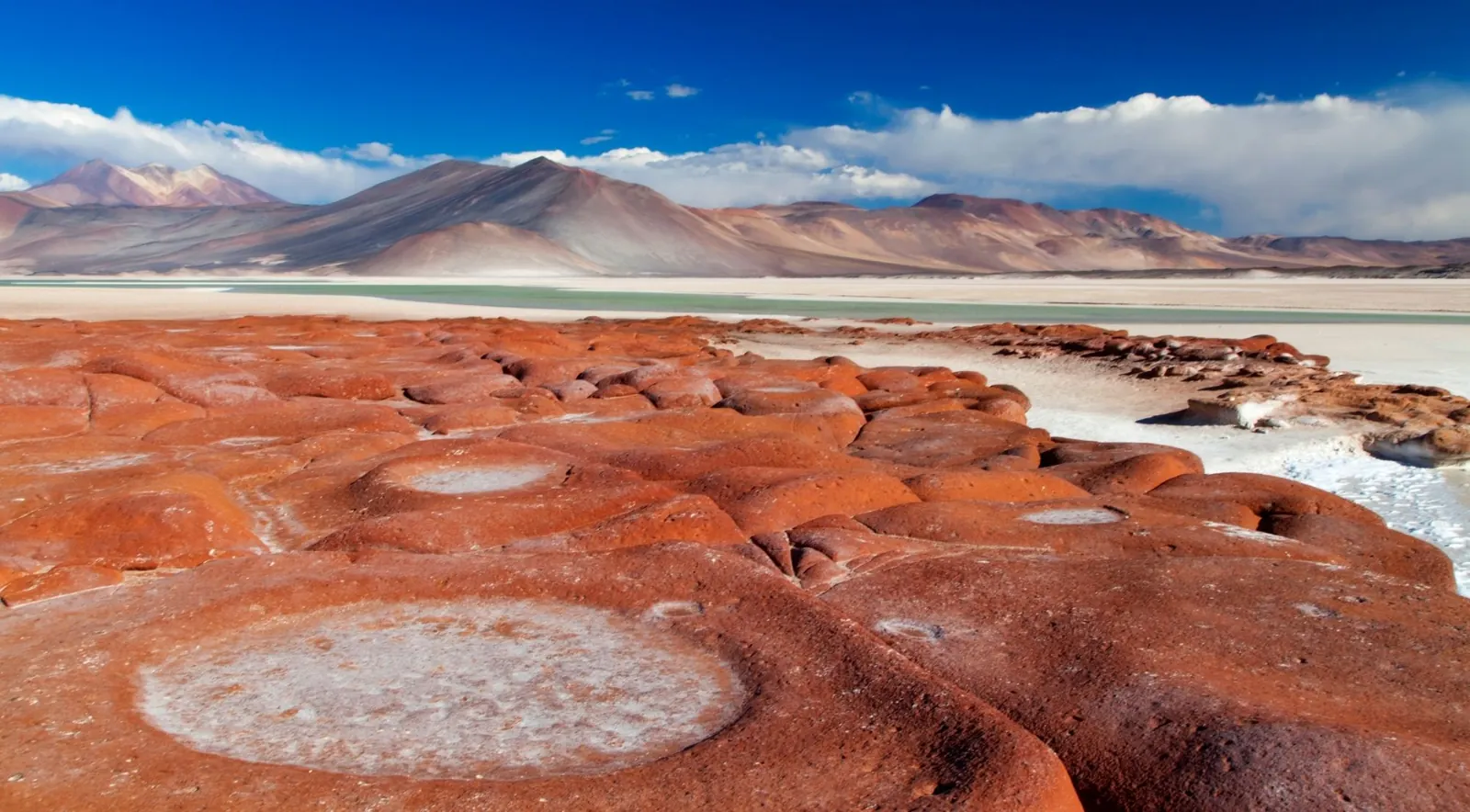
- Best scenery in one day: the Altiplanic Lagoons and Piedras Rojas. Flamingos at Chaxa, deep-blue lakes under volcanoes and red rock beside a turquoise salt flat. The Piedras Rojas, Altiplanic Lagoons & Salar Full-Day Tour (4.7/5 from 834 reviews) is our main pick; the Triple tour: Red stones, highland lagoons and Chaxa Lagoon (4.7/5 from 327 reviews) suits you if Chaxa matters most. Check that breakfast or lunch in Socaire is included.
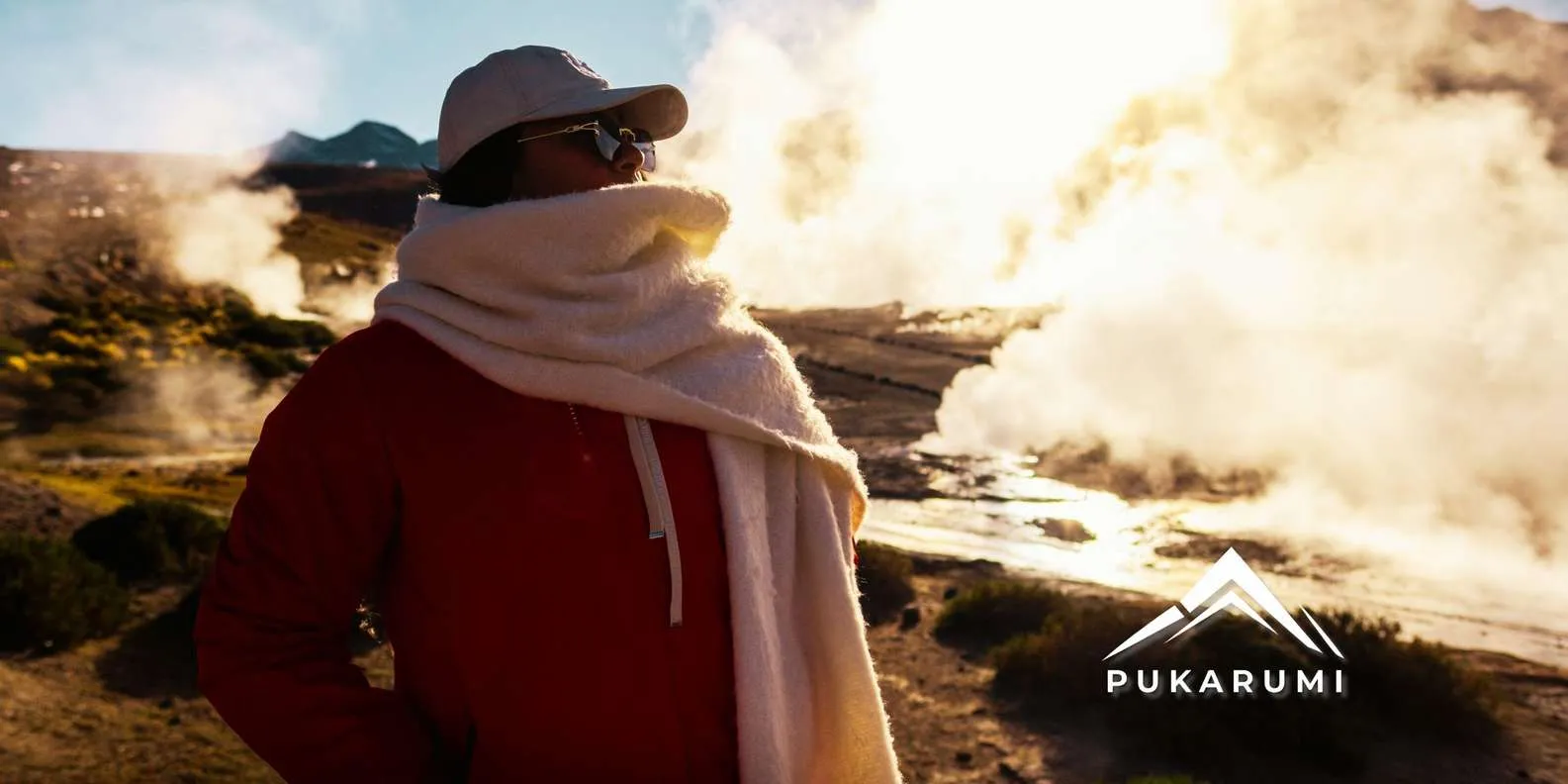
- Best if you only do one tour: El Tatio at sunrise. The 4:30 a.m. alarm is brutal and it can be −10 °C, but steam columns lighting up as the sun clears the Andes is the moment many visitors remember most. Our pick is the Tatio Geysers at Sunrise tour with breakfast (4.7/5 from 1,151 reviews).
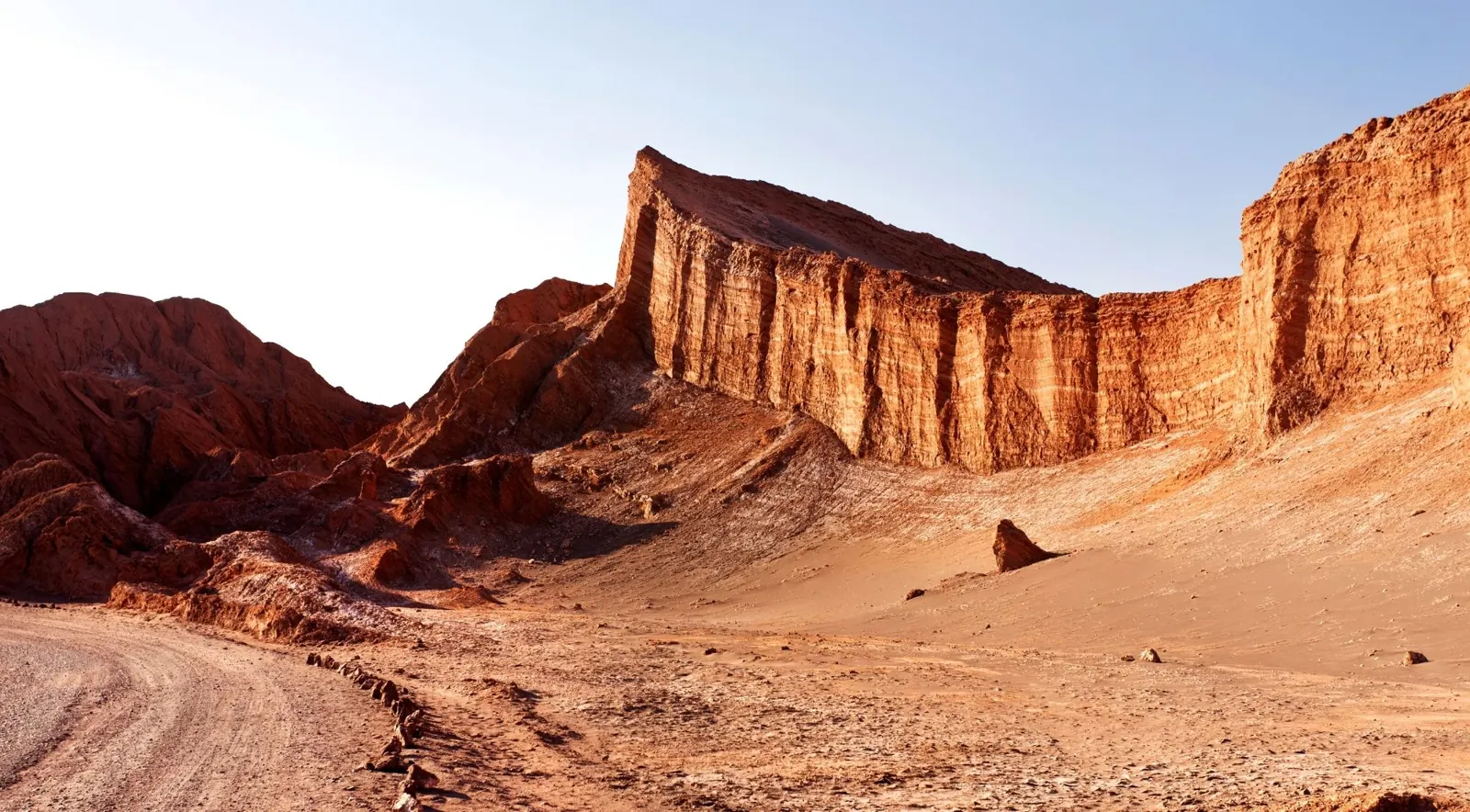
- Best first afternoon: Valle de la Luna. It is low, short and close to town, so it suits arrival day. The Valle de la Luna Shared Sightseeing Tour (4.7/5 from 366 reviews) is the simpler option; the Valle de la Luna guided tour (4.5/5 from 443 reviews) lists entry, snacks and a cocktail. The classic sunset viewpoint, Mirador de Ckari, is closed, so ask where your guide watches sunset now.
- Best for families: Cejar and Piedra floating with Ojos del Salar. It is low, the afternoons are warm and the day ends at sunset with snacks. Laguna Piedra is not suitable for children under 6, and children up to 12 pay CLP 5,000. The best-reviewed listing we found is the Laguna Cejar floating tour on Viator (5.0/5 from 80 reviews); the GetYourGuide Cejar Lagoon Tour with flotation and cocktail has only 4 reviews so far.
- Best for adventure: Cerro Toco (5,604 m). It is the most accessible summit above 5,000 m near town: you start at about 5,000 m and walk 2–3 hours to the top. Do it only at the end of your trip.
- Best budget day: a rented bike. Ride to Valle de la Muerte, Pukará de Quitor and the Catarpe valley yourself, or join the Devil’s Throat bike tour on Viator (5.0/5 from 111 reviews). Cyclists can also enter Valle de la Luna, but only in the morning bike slot.
- Best private option: a private 4x4 with a bilingual guide on the lagoons or Salar de Tara route, so you control the timing and avoid the convoy. All-inclusive lodges such as Nayara Alto Atacama bundle private excursions; see where to stay.
- Most underrated: Rainbow Valley and Yerbas Buenas. Striped mineral hills, petroglyphs, smaller crowds and a sensible mid-altitude step before the 4,000 m days. GetYourGuide has no listing; the Rainbow Valley Tour from San Pedro on Viator (4.7/5 from 35 reviews) is the one we would book.
- Skip for now: a sunset-only Valle de la Luna tour that still promises Mirador de Ckari, and any Baltinache tour sold as a floating trip while bathing is suspended.
Go low before you go high
San Pedro is at about 2,400 m, and the big tours climb to 4,000–4,300 m within 1.5–2.5 hours. The Cejar site advises spending at least one day in San Pedro first, and operators commonly suggest leaving the lagoons and Rainbow Valley for later in your stay. The altitude guide covers symptoms and when to see a doctor.
| Step |
Altitude |
Tours |
| 1 (arrival day) |
2,300–2,500 m |
Valle de la Luna, Cejar and Piedra, Valle de la Muerte, Quitor and Tulor by bike |
| 2 |
3,200–3,500 m |
Rainbow Valley and Yerbas Buenas, Puritama |
| 3 |
4,000–4,200 m |
Altiplanic Lagoons and Piedras Rojas |
| 4 |
Above 4,300 m |
El Tatio at sunrise |
| 5 (optional) |
4,300–5,600 m |
Salar de Tara, Cerro Toco, Láscar, the Uyuni crossing |
Scheduling clashes to avoid:
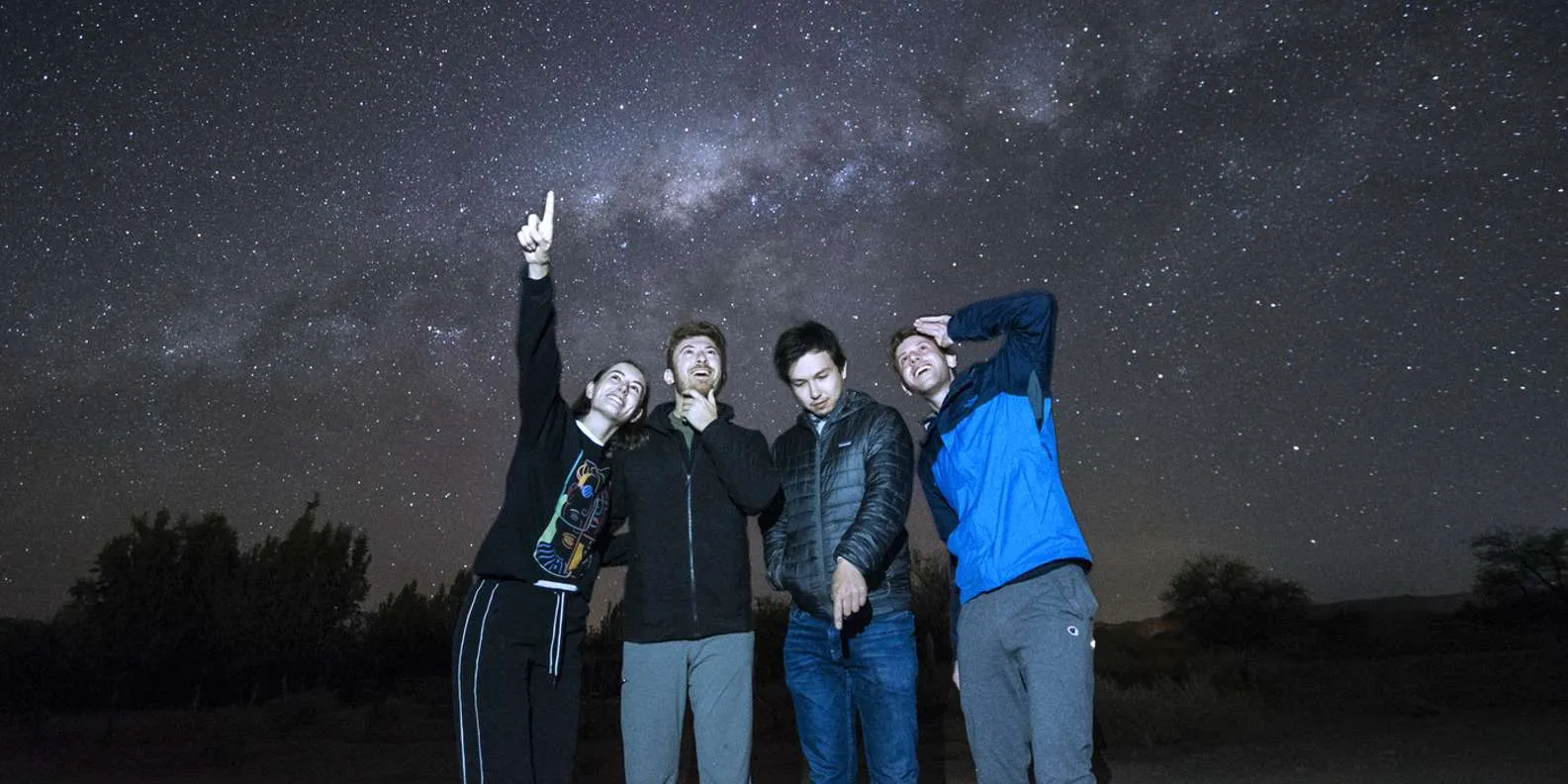
- No stargazing the night before El Tatio. Stargazing can finish around midnight, and the El Tatio pickup is at 4:30–5:10 a.m.
- Leave a gap between an afternoon tour and stargazing. Afternoon tours such as Cejar return at 18:30–19:30, and operators advise at least 45 minutes before a stargazing start.
- Pair El Tatio with Puritama in the afternoon, or a nap, not with another 4,000 m day.
Plans by trip length
- 2 days: Cejar and Piedra or Valle de la Luna in the afternoon, then stargazing; on day 2, the Altiplanic Lagoons and Piedras Rojas. Skip El Tatio unless you are already acclimatised from Bolivia or Peru. Full plan: 2-day itinerary.
- 3 days: Valle de la Luna and stargazing; Rainbow Valley in the morning and Cejar in the afternoon; the Altiplanic Lagoons on day 3, with El Tatio as a fourth morning if your flight allows. Full plan: 3-day itinerary.
- 4 days (our recommendation): Valle de la Luna; Rainbow Valley, Cejar and stargazing; the lagoons with Chaxa; El Tatio, then Puritama or rest. Full plan: 4-day itinerary.
- 5 days: the four-day plan with stargazing on night 1 or 3, then Salar de Tara, Cerro Toco for fit hikers, or sandboarding and biking at lower altitude.
Tour by tour
Valle de la Luna (Moon Valley)
Highlights are Duna Mayor, the Tres Marías salt formations, the Amphitheatre, the old Victoria salt mine and the Cornisa ledges. General entry was CLP 10,800 when we checked in October 2026, bought online for a set date. The gate opens at 9 a.m. from September to March and 8 a.m. from April to August, closing to cars at 5 p.m. and 4 p.m. respectively; you cannot enter on foot, and cyclists have a morning-only slot.
The official site says the Mirador de Ckari viewpoint has been closed until further notice since 27 May 2026 for a post-earthquake safety evaluation, and it lists staff-training closures in October, the last on 27 October. A normal car can make the 13 km drive. Compare tours in the Moon Valley guide.
Laguna Cejar and Laguna Piedra
Cejar is a flamingo-and-salt-crust wetland under Licancabur, for viewing only; you float at Laguna Piedra next door. Tours continue to the Ojos del Salar freshwater pools and end at sunset on the Tebinquiche salt mirror. One online ticket covers Cejar and Piedra: CLP 15,000 for ages 13–59, CLP 10,000 for 60 and over and CLP 5,000 up to 12, valid for one hour from your booked time (official site, checked October 2026). Apply no sunscreen before swimming, stay in the water no more than about 20 minutes, and bring your own water, as nothing is sold on site. Details in the Laguna Cejar guide.
Baltinache hidden lagoons
Seven turquoise salt lagoons in the Cordillera de la Sal, about an hour away on gravel and managed with the Coyo community. Bathing and floating have been suspended since 29 September 2026; the site stays open for walking at a reduced cash fee. SanPedroAtacama.com, a local operator, expects one lagoon to reopen for floating in December, but there is no confirmed official date. See the Baltinache guide and the Baltinache vs Cejar comparison.
Rainbow Valley and Yerbas Buenas petroglyphs
You see red, green, white and yellow mineral hills, dry canyons and hundreds of pre-Columbian rock carvings of llamas, foxes and more, about 90 km from town, at 3,200–3,500 m. Tours run roughly 07:00–13:00, with two small fees paid in cash. With a car it is about an hour each way. Book the Rainbow Valley Tour on Viator (4.7/5 from 35 reviews).
Puritama hot springs
Natural pools in a green canyon linked by boardwalks, 30 km north of town and run by Explora. The official site lists two entry blocks, 09:30–13:30 and 14:30–18:00, every day, with a child rate under 12 and free entry under 3. Book the entry on termasdepuritama.cl and carry the ticket offline, as there is no signal. The only GetYourGuide listing, the Puritama Hot Springs thermal bath transfer, has a single review so far. See the Puritama guide.
Laguna Chaxa
Andean, Chilean and James’s flamingos feeding on the Salar de Atacama, run by the Toconao community with tickets sold online. Sunset is the photographers’ choice. Visitors without a ticket have had to buy one at the gate with almost no signal. Most people see it on the lagoons day, for example on the Red stones, highland lagoons and Chaxa triple tour.
Altiplanic Lagoons and Piedras Rojas
Deep-blue Miscanti and Miñiques at over 4,100 m, with vicuñas and foxes, then the rust-red rock of Piedras Rojas on the Salar de Aguas Calientes, about 150–160 km from town, with stops in Socaire and Toconao. The Socaire community sells tickets only online at socairechile.cl; none are sold at the parks, and you must check in at Socaire an hour before your visit with your QR code and vehicle plate. Daily numbers are capped. Wind and snow sometimes close Piedras Rojas on the day. Compare options in the Piedras Rojas guide.
El Tatio geysers
More than 80 geysers and fumaroles above 4,300 m, at their steamiest around sunrise. A 2003 study by Glennon and Pfaff describes El Tatio as the largest geyser field in the southern hemisphere and the third largest in the world. On the way back, tours stop at the Putana river wetland and the adobe village of Machuca. The El Tatio fee page lists CLP 15,000 for everyone aged 9 and over, says under-9s are not admitted and lists the thermal pool as not open. Expect −5 °C to −10 °C at dawn, a pickup between 4:30 and 5:10, and stay on the marked paths: the thin crust near the vents can hide scalding water. The featured tour runs about six hours with breakfast. More in the El Tatio guide.
Salar de Tara and Monjes de la Pacana
The route passes balanced ignimbrite “monk” pillars, the Quisquiro and Tara salt flats, and wetlands near the Chile–Argentina–Bolivia border, at about 4,300 m with passes over 4,800 m, so do it last. Agencies in town sell it; the online listings we found have only a handful of reviews, and one premium operator listed it as closed until further notice. CONAF and the Lickanantay community of Toconao closed the Salar de Tara itself to visitors in June 2018, and Mongabay reported in 2023 that it was still closed, so ask exactly which stops a route reaches. Self-drivers report poor signposting; take a guide.
Valle de la Muerte sandboarding
Dunes 2 km from town, with practice runs of about 40 m and descents of up to 200 m. The gate fee is paid by card, and Taito Aventura reports that the valley closes every Monday. Children can usually join from about 8. You walk back up after every run, which is hard work at 2,500 m. Book with an agency in town; we found no online listing to recommend.
Pukará de Quitor, Aldea de Tulor and Garganta del Diablo
Pukará de Quitor is a 12th-century hilltop fortress 3 km from town, run by the Quitor community; some 2026 visitors found parts of it closed. Aldea de Tulor is an adobe village more than 2,000 years old, run by the Coyo community, with cash entry. Both are easy by bike, as is the half-day ride north through the narrow red canyon of Garganta del Diablo and Catarpe. Carry 2 litres of water and go in the morning, before the wind picks up, or join the Devil’s Throat bike tour (5.0/5 from 111 reviews). Several agencies also offer horseback rides through the Catarpe and Quitor valleys, useful low-altitude outings for day 1.
Volcano climbs
- Cerro Toco (5,604 m): about 7 hours, starting at about 5,000 m at an old sulphur mine with 2–3 hours to the summit. It is the “beginner” peak above 5,000 m.
- Láscar (about 5,592 m, active): about 11 hours from a 4,900 m base, plus an access fee. Access varies with volcanic activity.
- Licancabur (5,916 m) and Sairecabur: multi-day or expert-only expeditions; Licancabur is usually climbed from the Bolivian side.
Before any climb, spend at least two nights in San Pedro and do one 4,000 m tour first, and check that your travel insurance covers trekking above 5,000 m.
ALMA observatory
ALMA normally offers free weekend visits to its Operations Support Facility at about 2,900 m, with a bus from San Pedro, but regular public visits are currently suspended. Chile’s tourism board says work is under way to restart them, and ALMA ran special open days in October 2026. Under-5s are not admitted. The stargazing guide covers ALMA and Paranal.
Bolivia: the Uyuni crossing
Most trips from San Pedro are 3-day one-way or 4-day return crossings via the Hito Cajón border (4,480 m). Day 1 takes in Laguna Blanca and Laguna Verde under Licancabur, the Dalí desert, Polques hot springs, the Sol de Mañana geysers and Laguna Colorada, reaching about 4,900 m. Our pick is the 4-Day Uyuni Salt Flats Tour (4.6/5 from 88 reviews). Treat it separately from the day tours; the Uyuni guide covers the border and lodging.
Choose a lagoon or a thermal-pool visit
Baltinache and Cejar are not the same experience right now. Baltinache has a bathing suspension, while Cejar’s selected listing advertises floating. See the direct comparison before booking based on older reviews.
Puritama is a different water experience again. The selected product provides transport and assistance but excludes pool admission. Choose it for warm soaking, not as a stand-in for saltwater floating.
Compare the full cost
Reserve fees can change the apparent gap between two similar tours. One Moon Valley product includes entry, snacks and a cocktail; the simpler shared alternative leaves those out. The Piedras Rojas options have different meal wording even though their route names overlap.
Ask for the actual ticket amount for your nationality and age where relevant, how it must be paid and whether it needs to be purchased before departure. Avoid buying a second ticket for an option that already includes admission. Valle de la Luna, Cejar and the Socaire sites sell dated or timed tickets online, so at most of them you can no longer turn up with cash.
Pickup and return can determine the better option
A central agency start is convenient if you stay nearby. Hotel pickup may be valuable from another address, but often has a defined urban boundary. Some products collect at accommodation and finish centrally, so compare both ends of the service.
The where-to-stay guide and no-car guide help you match accommodation to the departures. An outlying lodge’s own tours may use different pickup arrangements from an independently booked excursion.
How to choose a tour operator
San Pedro has dozens of agencies on and around Caracoles street, many selling the same tours and often sharing each other’s vans. These checks separate the good ones:
- SERNATUR registration. Look the agency up on Chile’s official tourism registry (serviciosturisticos.sernatur.cl), and avoid street sellers with no fixed office.
- Group size. “Small group” should mean 8–12 people, not a 25-seat bus. Ask for the maximum.
- What is included. Check entry tickets, breakfast or lunch, hotel pickup and drop-off. Some large operators drop you only in the centre.
- Altitude kit. For El Tatio and the lagoons, ask whether they carry oxygen and a first-aid kit.
- Guide language. Confirm a bilingual Spanish–English or Portuguese guide; do not assume one.
- Cancellation terms. Many local agencies take a 50% deposit and treat no-shows as non-refundable. GetYourGuide and Viator usually offer free cancellation up to 24 hours before.
Names that come up repeatedly in traveller forums include Atacama Magic, praised for responsiveness; private-tour specialists such as Tastur, Vive Atacama, Sunway Atacama and Atacama Contact; Pukarumi, a large operator with its own fleet whose long tours some reviewers call gruelling; and Nomades, a reseller with clear price and fee breakdowns. Check current reviews before you choose one.
Outside peak season you can book ahead or on arrival; forum users report finding tours on the first evening without trouble. Book ahead for Christmas to February, Easter, Chilean holidays and anything with capped tickets, such as Piedras Rojas slots and Puritama.
Separate excursions or one package?
Multi-day bundles simplify coordination but can be intensive and still exclude admission or accommodation. The Best of Atacama: 4 Tours in 3 Days combo (4.7/5 from 346 reviews) is the best-reviewed bundle; make sure its order follows the low-to-high plan above. A DIY itinerary gives more control over rest and the exact products you choose, with separate conditions for each reservation.
Treat the Uyuni expedition separately. It crosses into Bolivia and includes highland overnights; it is not another half-day excursion from the same base.
Renting a car instead
- For: it is cheaper for two or more people, and you can beat the convoys at Valle de la Luna and Chaxa.
- Where to rent: Calama airport; see getting from Calama.
- Fuel: there is one Copec station in San Pedro and essentially none elsewhere, so fill up every night.
- 4x4: not essential for the main sites, but helpful for fords and sand.
- Avoid self-driving to Salar de Tara (confusing) and to El Tatio in the dark if you are a nervous driver.
- Hidden cost: you still need every online ticket.
Practicalities
- Altitude sickness: acclimatise for a day, drink water, eat light and skip alcohol the night before a high tour. Tell your guide straight away about persistent vomiting, confusion, chest tightness or a worsening headache. Pregnant travellers are commonly excluded from high-altitude tours and from Puritama; check with each operator.
- Sun and temperature: the UV is fierce and the air very dry. Expect about 25 °C by day and about 5 °C at dawn and dusk in town, and well below freezing at El Tatio.
- Cash: bring Chilean pesos for Tebinquiche, Rainbow Valley, Yerbas Buenas, Tulor, Baltinache and tips. ATMs in town work but charge heavy withdrawal fees, according to forum users.
- Food on tours: breakfast is standard on El Tatio, Rainbow Valley and lagoons tours, and lunch is sometimes included on the lagoons day. Bring snacks anyway.
- Children: Valle de la Luna has free entry for young children, Puritama and Cejar have child rates, and Laguna Piedra is not for under-6s. El Tatio does not admit under-9s, the featured Baltinache listing excludes under-6s, sandboarding usually starts at about 8, and ALMA does not admit under-5s.
- Seasons: December to March is the Altiplanic winter, with highland rain and storms; in January 2026 rain flooded parts of San Pedro. June to September brings snow: on 13 August 2026 the municipality said snow was still keeping El Tatio, Miscanti and Miñiques, Piedras Rojas, Rainbow Valley, Láscar and other high sites closed. Build a buffer day into any itinerary, and see the best time to visit.
- Packing: warm layers, a down jacket, hat and gloves for El Tatio; sunscreen (apply after swimming), sunglasses, a wide-brim hat and lip balm; a swimsuit, towel, sandals and 2 litres of fresh water to rinse off salt; a refillable bottle; downloaded or printed tickets; cash, a headlamp and any altitude medication you have discussed with a doctor. The packing list has the rest.
Make the schedule fit you
Count full sightseeing days, protect meals and sleep, and read the altitude guide before committing to a highland tour. Start with one must-see experience, then add activities that change the scenery or pace instead of duplicating a route under another name. Check your exact dates against closures before you pay, because snow, wind and site works can change what is open.